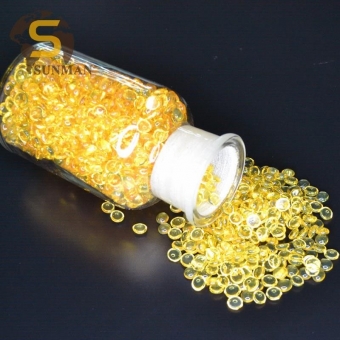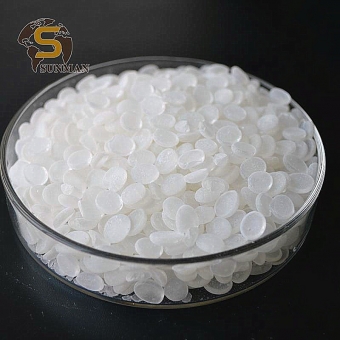

แว็กซ์ PTFE สำหรับหมึกพิมพ์ที่มีค่า COF ต่ำ
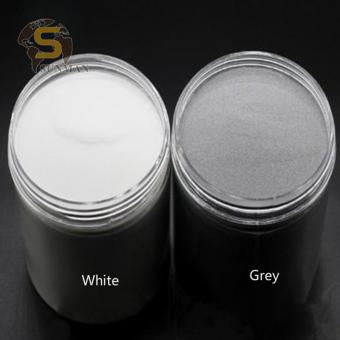
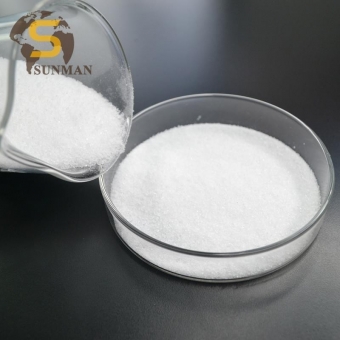
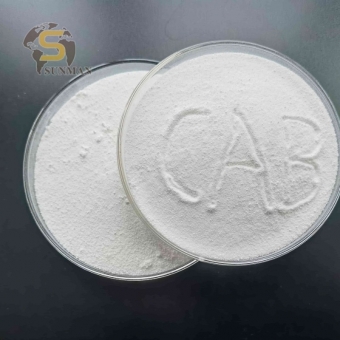
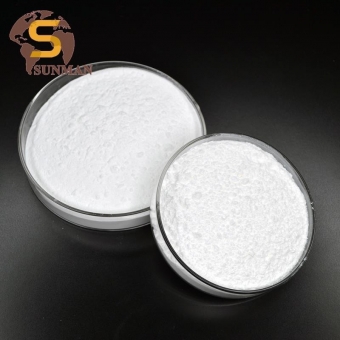
Jul 20, 2026ขณะที่บรรจุภัณฑ์แบบยืดหยุ่นและสายการแปรรูปความเร็วสูงมุ่งสู่ประสิทธิภาพที่มากขึ้น การควบคุมแรงเสียดทานได้กลายเป็นพารามิเตอร์ด้านคุณภาพที่ไม่สามารถละเลยได้ ผู้เชี่ยวชาญในอุตสาหกรรมชี้ว่า ขี้ผึ้ง PTFE ไมโครไนซ์ เป็นสารเติมแต่งหลักสำหรับการทำให้ค่าสัมประสิทธิ์แรงเสียดทาน (COF) ต่ำอย่างสม่ำเสมอโดยไม่ลดทอนคุณภาพการพิมพ์
ในการกำหนดสูตรหมึกพิมพ์สมัยใหม่ ค่าสัมประสิทธิ์แรงเสียดทานเป็นมากกว่าค่าที่วัดในห้องปฏิบัติการ—โดยตรงแล้วมันกำหนดความราบรื่นในการเคลื่อนผ่านของฟิล์ม ฟอยล์ และกระดาษผ่านเครื่องม้วนกลับ เครื่องซีล เครื่องตัด และเครื่องบรรจุ เมื่อ COF สูงเกินไป ผู้แปรรูปต้องเผชิญกับปัญหาต่อเนื่องที่มีต้นทุนสูง เช่น การติดกันของชั้นในม้วนวัสดุ รอยขีดข่วนบนพื้นผิว การป้อนวัสดุที่ไม่สม่ำเสมอ และการหยุดสายการผลิตบ่อยครั้ง ในทางกลับกัน แรงเสียดทานที่ต่ำเกินไปอาจทำให้เกิดปัญหาการจัดแนวพิมพ์หรือการลื่นไถลของกองวัสดุ ดังนั้น การสร้างสมดุลที่เหมาะสมจึงเป็นความท้าทายหลักในการกำหนดสูตร ขี้ผึ้งพอลิเตตระฟลูออโรเอทิลีน (PTFE) แบบไมโครไนซ์ได้รับความนิยมในฐานะโซลูชันประสิทธิภาพสูงสำหรับการลด COF ในระบบหมึกทั้งแบบใช้ตัวทำละลายและแบบน้ำ คุณสมบัติทางเคมีที่เป็นเอกลักษณ์—ซึ่งมีพลังงานพื้นผิวต่ำอย่างโดดเด่น—ช่วยให้อนุภาคละเอียดเคลื่อนตัวไปยังพื้นผิวของฟิล์มหมึกระหว่างการแห้งตัวหรือการบ่ม ที่บริเวณนั้น อนุภาคจะสร้างชั้นหล่อลื่นบางเฉียบที่ไม่ต่อเนื่อง ซึ่งลดความต้านทานการเลื่อนได้อย่างมากพร้อมทั้งรักษาคุณสมบัติการยึดเกาะและคุณสมบัติเชิงกลของชั้นพื้นฐาน
มากกว่าการลื่นไหล: การป้องกันการติดกันและความต้านทานการขัดถู
ประโยชน์ของมันไม่ได้จำกัดอยู่เพียงการเพิ่มความลื่นเท่านั้น ในบรรจุภัณฑ์แบบยืดหยุ่น ซึ่งแผ่นวัสดุที่พิมพ์แล้วถูกม้วนด้วยแรงตึงสูงและจัดเก็บเป็นเวลาหลายวันหรือหลายสัปดาห์ ประสิทธิภาพการป้องกันการติดกันเป็นสิ่งสำคัญ ขี้ผึ้ง PTFE ช่วยลดการยึดติดระหว่างชั้นวัสดุที่อยู่ติดกัน ป้องกันข้อบกพร่องของม้วนที่มีต้นทุนสูง ในขณะเดียวกัน ผลจากการหล่อลื่นแบบเดียวกันยังช่วยลดรอยถลอกและการขัดถูระหว่างการขนส่ง ทำให้มั่นใจได้ว่าบรรจุภัณฑ์สำเร็จรูปจะส่งถึงเจ้าของแบรนด์พร้อมกราฟิกที่สมบูรณ์แบบ
การเลือกเกรด PTFE ที่เหมาะสม
ขี้ผึ้ง PTFE แต่ละชนิดไม่ได้ให้ประสิทธิภาพเหมือนกันทั้งหมด ผู้กำหนดสูตรจำเป็นต้องประเมินขนาดอนุภาค คุณภาพการกระจายตัว และความเข้ากันได้กับเรซินเพื่อให้ได้ผลลัพธ์ที่เหมาะสม เกรดไมโครไนซ์ละเอียด—โดยทั่วไปอยู่ในช่วง 3–6 µm—ให้พื้นผิวที่เรียบกว่าและความใสที่ดีกว่า ซึ่งมีคุณค่าอย่างยิ่งในการพิมพ์ความละเอียดสูงบนฟิล์มใส ความเข้ากันได้กับสารยึดเกาะประเภทโพลีเอสเตอร์ โพลียูรีเทน ไนโตรเซลลูโลส และอะคริลิกก็มีความสำคัญเช่นกันเพื่อให้ได้ความหนืดที่เสถียรและการกระจายหมึกที่สม่ำเสมอ
อย่างไรก็ตาม ปริมาณการเติมจำเป็นต้องมีการปรับเทียบอย่างรอบคอบ การเติมน้อยเกินไปจะไม่สามารถลด COF ได้ตามต้องการ ขณะที่การเติมมากเกินไปอาจทำให้ความเงาลดลง ลดการยึดเกาะระหว่างชั้นเคลือบ หรือทำให้เกิดการสะสมบนเพลตพิมพ์ สูตรที่ประสบความสำเร็จส่วนใหญ่อยู่ในช่วง 0.5–3% โดยน้ำหนักของของแข็งทั้งหมดในหมึก แต่ระดับที่เหมาะสมจะแตกต่างกันไปตามวัสดุฐาน วิธีการใช้งาน และสภาวะการแห้ง
ตัวอย่างเช่น ฟิล์ม BOPP และ PE—ซึ่งใช้กันทั่วไปในบรรจุภัณฑ์อาหารขบเคี้ยว—มักตอบสนองได้ดีกับอนุภาค PTFE ที่ละเอียดกว่าเมื่อใช้ร่วมกับสารเพิ่มความลื่นชนิดที่สอง ในทางกลับกัน ฟิล์ม PET และฟอยล์อะลูมิเนียมอาจได้รับประโยชน์จากเกรดที่หยาบกว่าหรือระบบผสมที่ประกอบด้วยขี้ผึ้งโพลีเอทิลีน ขี้ผึ้งเอไมด์ หรือสารเติมแต่งซิลิโคน แนวทางแบบผสมผสานดังกล่าวช่วยสร้างสมดุลระหว่างความลื่น ความต้านทานการถู และเอฟเฟกต์ด้านความด้าน ซึ่งปรับให้เหมาะกับการใช้งานปลายทางแต่ละประเภท
ตอบสนองความต้องการของการแปรรูปยุคใหม่
ความต้องการความเร็วการพิมพ์ที่สูงขึ้นอย่างต่อเนื่อง—ซึ่งปัจจุบันเกิน 400 เมตร/นาทีในเครื่องพิมพ์กราเวียร์และเฟล็กโซ—สร้างแรงกดดันมากขึ้นต่อการจัดการแรงเสียดทานแบบไดนามิก ในเวลาเดียวกัน แนวโน้มด้านความยั่งยืนกำลังผลักดันการใช้ฟิล์มที่บางลงและวัสดุฐานชีวภาพ ซึ่งไวต่อข้อบกพร่องที่เกี่ยวข้องกับแรงเสียดทานมากกว่า ด้วยเหตุนี้ ผู้ผลิตหมึกจึงหันมาใช้เทคโนโลยีขี้ผึ้ง PTFE ขั้นสูงมากขึ้น ซึ่งให้ความสม่ำเสมอที่เชื่อถือได้ระหว่างแต่ละล็อตและสอดคล้องกับข้อกำหนดด้านกฎระเบียบอย่างกว้างขวางสำหรับการใช้งานที่สัมผัสอาหาร
ในอนาคต ตลาดหมึกพิมพ์ค่า COF ต่ำคาดว่าจะเติบโตอย่างต่อเนื่อง โดยได้รับแรงขับเคลื่อนจากบรรจุภัณฑ์อีคอมเมิร์ซ ถุงรีทอร์ท และวัสดุลามิเนตที่มีคุณสมบัติกั้นสูง นวัตกรรมในการปรับปรุงพื้นผิวของขี้ผึ้งและการออกแบบอนุภาคแบบผสมผสานมีแนวโน้มให้ประสิทธิภาพที่สูงขึ้นด้วยปริมาณการเติมที่ต่ำลง เปิดโอกาสใหม่สำหรับการคงความเงาและการยึดเกาะของวานิชเคลือบพิมพ์ทับ
การสนับสนุนจากผู้เชี่ยวชาญสำหรับการพัฒนาสูตร
สำหรับนักเคมีหมึกและผู้แปรรูปบรรจุภัณฑ์ที่ต้องการเพิ่มประสิทธิภาพ COF ผลิตภัณฑ์ขี้ผึ้ง PTFE ไมโครไนซ์ในปัจจุบันมาพร้อมการสนับสนุนทางเทคนิคอย่างครบถ้วน ตั้งแต่การวิเคราะห์ลักษณะขนาดอนุภาคไปจนถึงสูตรเริ่มต้นที่แนะนำสำหรับระบบที่ใช้ตัวทำละลาย ระบบน้ำ และระบบบ่มด้วย UV
“การทำให้ COF อยู่ในระดับที่เหมาะสมไม่ได้หมายถึงเพียงการเติมขี้ผึ้งเท่านั้น” ผู้เชี่ยวชาญอาวุโสด้านการใช้งานกล่าว “แต่เป็นการทำความเข้าใจปฏิสัมพันธ์ระหว่างสัณฐานวิทยาของอนุภาค จลนพลศาสตร์การเกิดฟิล์ม และพลังงานพื้นผิวของวัสดุฐาน ด้วยเกรด PTFE และปริมาณการเติมที่เหมาะสม เราสามารถบรรลุค่าความลื่นต่ำกว่า 0.15 พร้อมรักษาความคมชัดของงานพิมพ์และความทนทานที่ยอดเยี่ยม”
บริษัทที่สนใจประเมินโซลูชัน COF ต่ำสามารถขอชุดตัวอย่างและคำแนะนำด้านการกำหนดสูตรได้ มีคำแนะนำเฉพาะสำหรับกระบวนการพิมพ์หลักแต่ละประเภทและหมวดหมู่วัสดุฐาน



 รองรับเครือข่าย IPv6